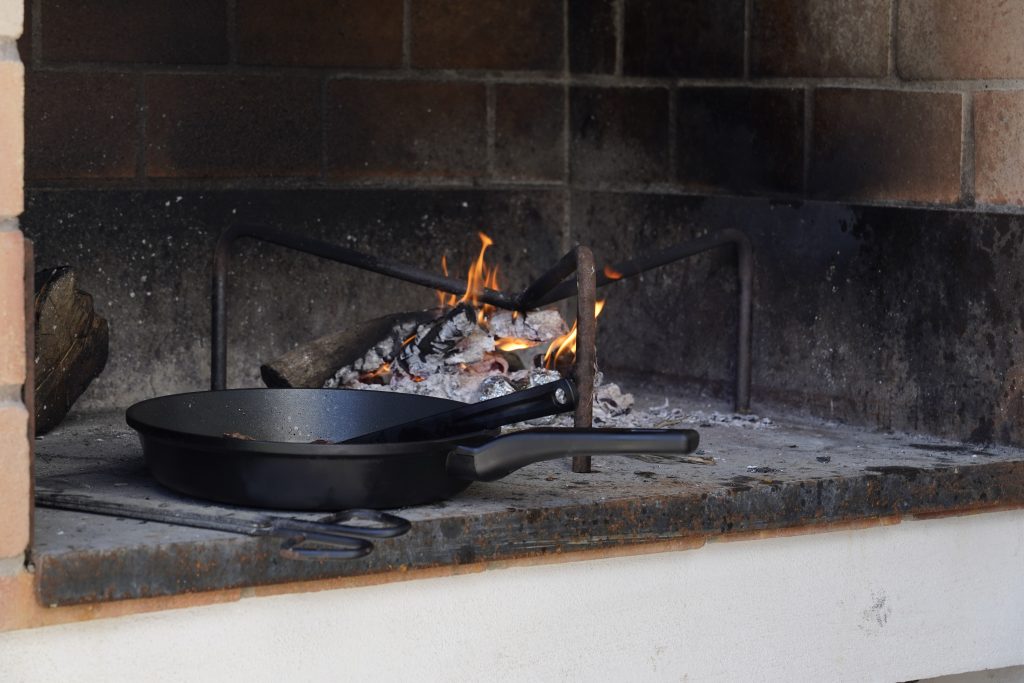
We didn’t start as a business. It started with something simpler: around fire, things happen that don’t happen anywhere else. And they’re becoming rarer.
The wood before the fire
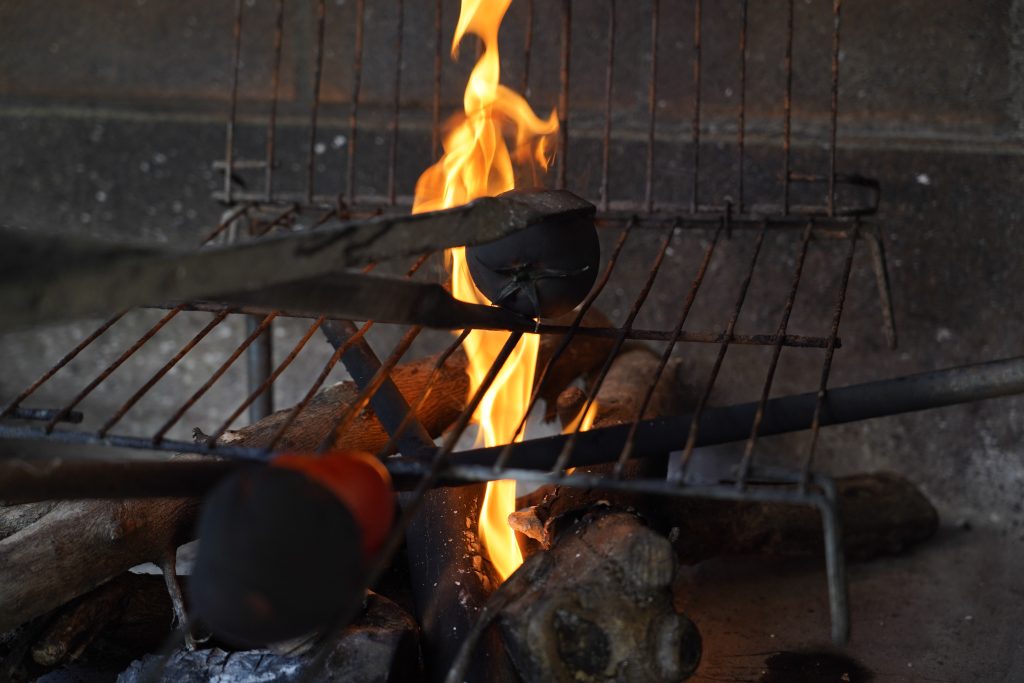
Since humans started cooking with fire, food changed. So did the way we gather. I wanted that fire again — the kind that makes people stay, gather around, and keep talking. Something valuable today. But we experience it less and less.
The first sparks
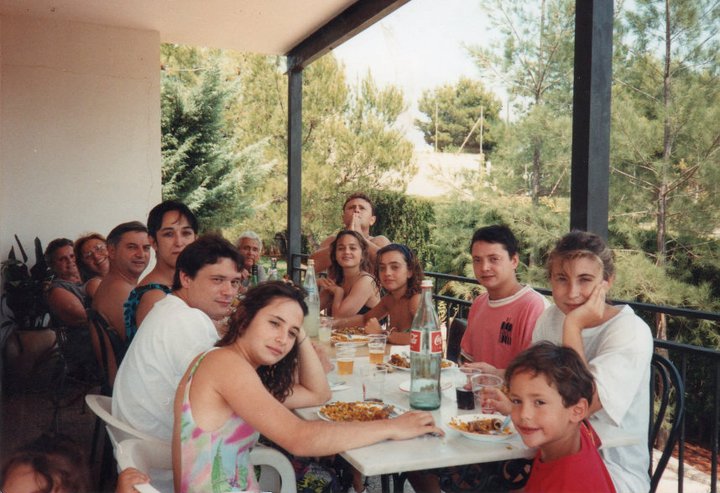
I’m from Vila-real and I grew up with Sunday paellas. My grandfather used to cook eel and garrofó rice at his beach house. My excuse was the beach, the food, learning, listening. But underneath, it was always the same thing: people gathering around someone tending the fire, conversations happening naturally. Over time, I realised that was what mattered.
WHEN THE FIRE CATCHES
During my years in Germany, Sundays felt empty. Fire became a way of staying close to people, even from afar. One day, a friend of my first boss asked me to cook for her and her husband. They were alone. Her partner wanted something improvised. But I realised something: people don’t just wait to eat. They stay while you cook. They ask questions. They comment. They stay close. That was the moment I understood it wasn’t only about paella — it was about creating a situation. Then came birthdays, christenings, even a countryside wedding. I realised quickly: people stayed around the fire. And here, abroad, that seemed increasingly rare.
Keeping the flame alive
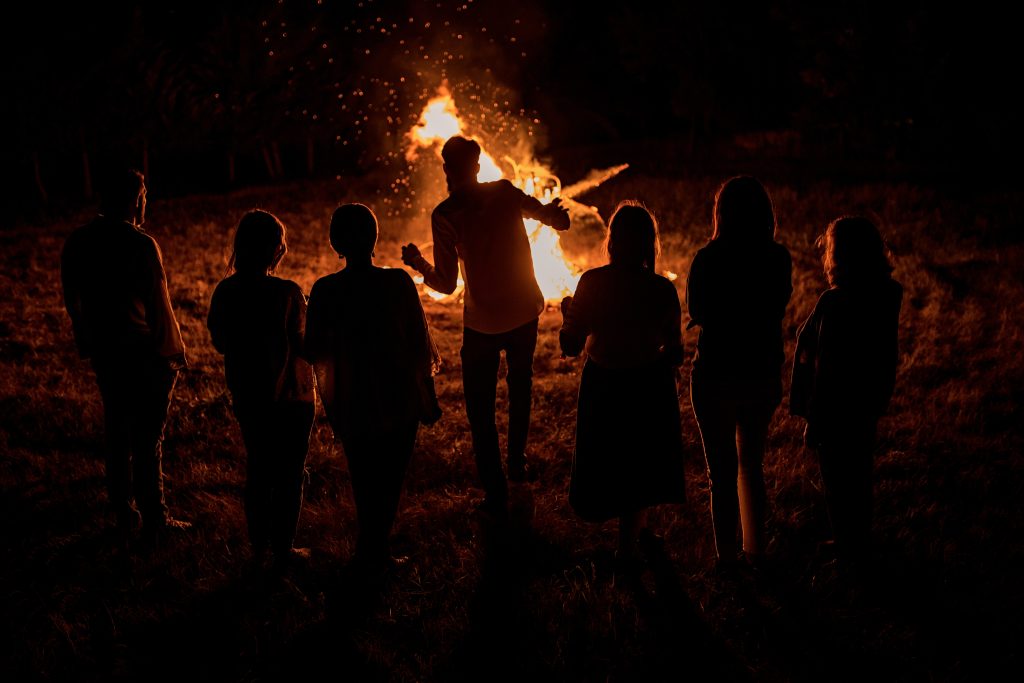
I started noticing something that had always interested me: rituals. Across different places in the world, fire and food create remarkably similar moments. I saw one of those rituals in Mexico, around a bonfire. Nobody needed instructions — everyone somehow knew when to speak, when to listen, when simply to be there. Shortly after, I spent days cooking BBQ in New Orleans. That’s when I realised: if this was worth doing, it had to be done properly.
Mastering the fire
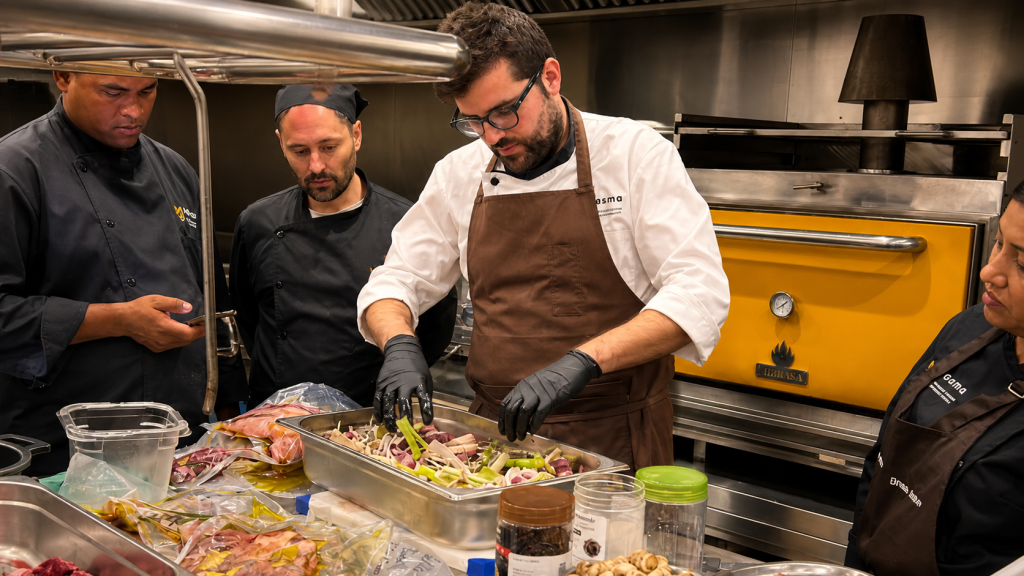
I enrolled at GASMA School of Gastronomy, where I learned technique, ingredients, and processes from some of the best professionals in the industry. But above all, I learned how to think about gastronomy — to build dishes with meaning, not just execute them.
WHEN THE FIRE SETTLES
Then I spent time at Can Ros in Burriana, a wood-fire rice restaurant that keeps the essence of paella alive. That’s where I learned the most important lesson: it’s not about following steps — it’s about reading the fire and understanding the ingredients. By the end, I wasn’t repeating recipes anymore. I was understanding what cooking actually means.
The embers that remain
That is PAELLÓ. Bringing all of this into your home. Fire already burning. People gathering without noticing. Something to drink passing from hand to hand. Time moving quietly into the background. It’s not only cooking. It’s creating the conditions for those moments to happen.